
What’s the Most Efficient Heating System for Your Home’s Needs?
Home heating is an important consideration during the winter months, even in areas where temperatures rarely dip below freezing. Heating expenses can easily consume almost half of an average household energy budget, which makes energy efficiency an important goal for those who want to reduce home comfort expenses. If you need a new home heating system, you have several options for achieving highly efficient, low-cost operation that will keep your home warm and comfortable for many years.
Frequently Asked Questions
The simplest reason to choose a high-efficiency heating system is that it will cost much less to operate than a lower-efficiency model. High-efficiency systems can often cut ongoing expenses by half or more, with the most efficient heating system types slashing bills by up to 70 percent. Even though usually more expensive at the outset, a more efficient system eventually can add up to major savings.
Remember that whatever type of heating system you buy, it must be properly sized to produce the level of heating you need. In this case, the system’s size is its functional capacity to generate heat. Have your HVAC professional conduct a heating load calculation on your home to determine how much heating is needed. With this information, you and your contractor can find a heating system that will work best for you.
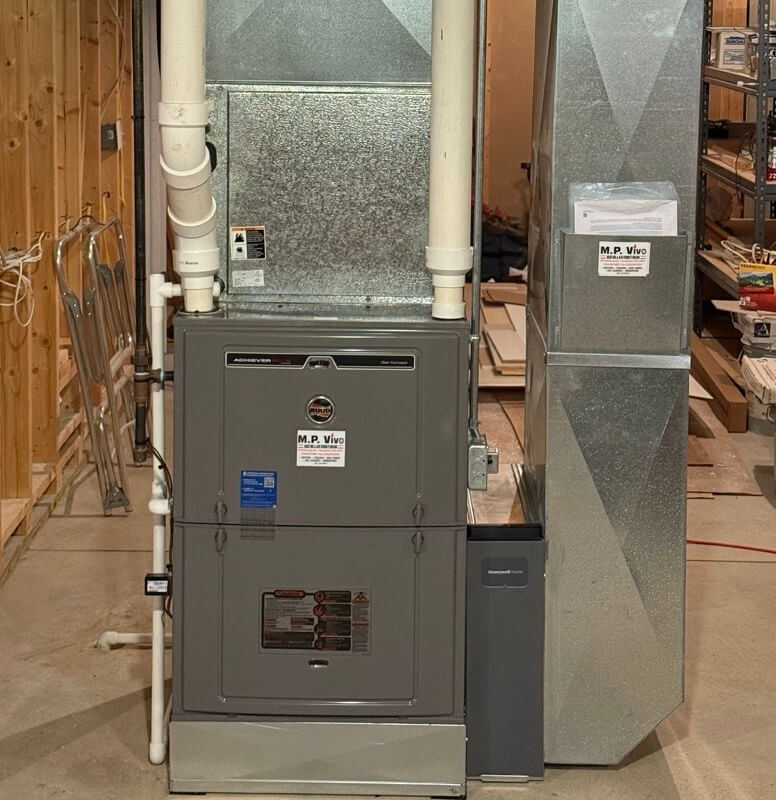
- Natural Gas: Gas furnaces use natural gas, a plentiful natural resource. The majority of furnaces in operation are natural gas models. Gas is supplied by local utility companies through a supply pipe installed in your home, though gas lines often don’t extend to more remote rural areas. A natural gas furnace may actually cost less to operate than an air-source heat pump, even though its heating efficiency is much lower. That’s because natural gas has become exceedingly cheap in recent years.
- Propane: Propane furnaces burn propane to produce heat. The propane is typically provided by a local supplier who delivers the fuel in bulk and stores it in a tank in or near your home. The fuel supply for propane must be monitored to make sure the propane doesn’t run out when you need it most. Propane is relatively expensive.
- Electricity: Electric furnaces warm your home by using electricity to power heating coils that generate heat. Since they do not burn fuel, they produce no exhaust gases or carbon monoxide that could pose a safety hazard in your home. They are more expensive to operate in most areas than gas furnaces since electricity costs more (BTU to BTU) than natural gas, and unlike an air-source heat pump, their efficiency can never rise above 100 percent.
AFUE (Annual Fuel Utilization Efficiency) measures how efficiently a furnace converts fuel into usable heat. For example, a furnace with an 80% AFUE converts 80% of its fuel into heat while the remaining 20% is lost. Higher AFUE ratings indicate better efficiency.
An AFUE rating of 90% or higher is considered high efficiency. Choosing a furnace with a higher AFUE rating can reduce energy waste, lower heating costs, and improve overall system performance.
Efficiency-Boosting Factors
Even after buying the most efficient heating system available within your budget, you can still improve indoor comfort and equipment performance by tending to external factors that can improve HVAC efficiency.
- Sealing and air tightness: Locate and seal any holes, cracks, gaps, or other openings where warm air could escape or cold air could get in. This can include areas around doors and windows, where pipes or wires enter through the walls, or where the house frame connects with the foundation or attic. Use caulking or other appropriate materials to seal openings and make them airtight.
- Ductwork: Your ductwork can affect how efficiently your heating system works. Leaks in the ducts can account for substantial amounts of lost heat, energy, and money. Make sure all duct sections fit tightly together and are not damaged. Connections should be sealed with metal screws and mastic or metal-backed tape to prevent air loss. Ducts should also be insulated to stop heat loss through the material of the ducts themselves.
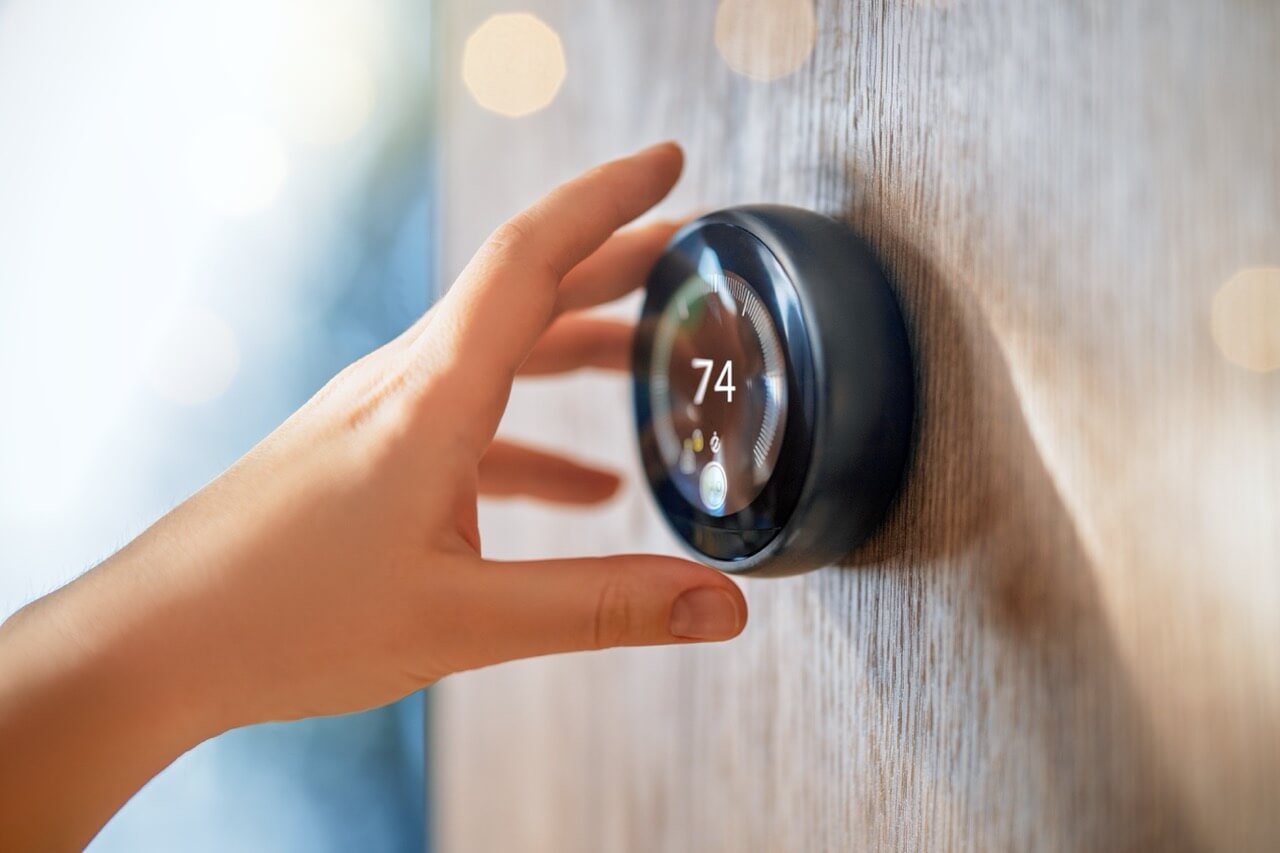
- Controls: Control systems such as programmable thermostats and smart thermostats give you improved options for controlling the operation of your heating system. With a programmable thermostat, for example, you can reduce heating during the day when your house is empty, then program the thermostat to automatically increase heating before you and your family return from work or school. Smart Wi-Fi thermostats learn your habits and preferences so you can be comfortable while saving the most energy possible.
Ruud Gas Furnaces
Ruud gas furnaces are a brand in America with several high-quality gas furnaces. Ruud offers high-end gas furnaces making it a great pick in the search of a gas furnace.

