
Finding the Most Efficient Heating System: Heat Pumps
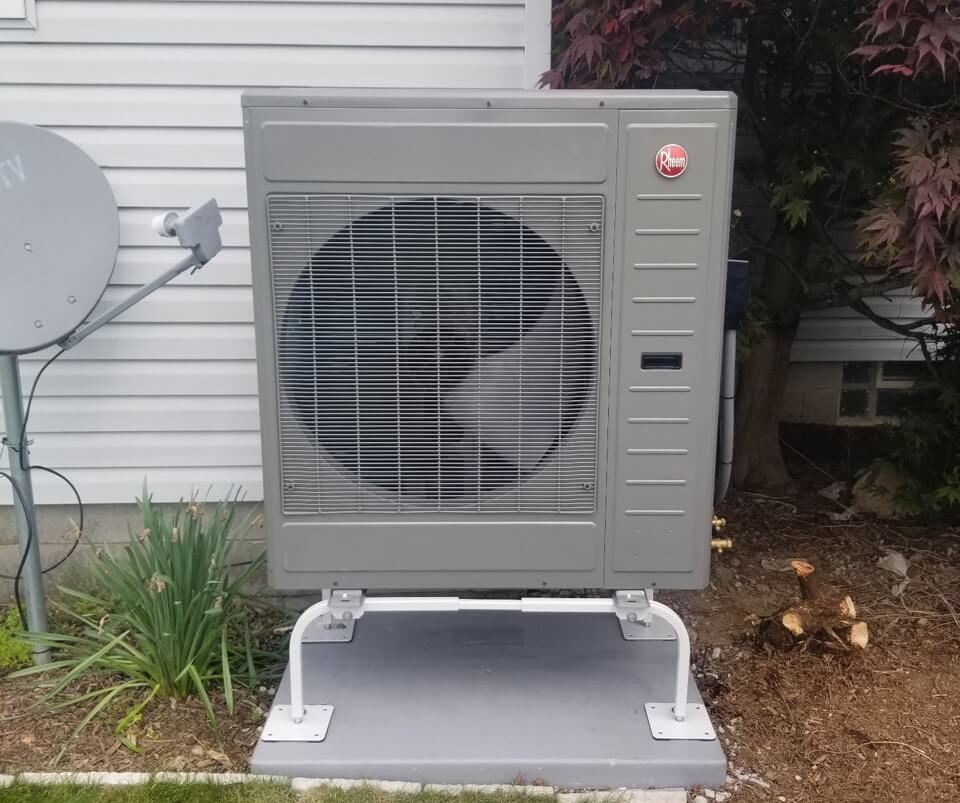
Heat Pumps work on the principle of capturing heat and moving it from place to place, removing it from your home to provide cooling in the summer and bringing in heat from the outdoors for warming in the winter. Heat pumps can be astonishingly efficient, sometimes producing four times as much energy as the electricity that powers them. In general, heat pumps are a good choice for locations that do not offer natural gas.
Heat pumps are also very easy on the environment. Their high efficiency means they use less electricity yet provide effective heating. They do not burn fossil fuels to generate heat, which means they do not generate exhaust gases that could affect the environment. They are very safe to operate, producing no potentially harmful gases such as carbon monoxide.
Air-source heat pumps capture heat from and release heat into the air surrounding the equipment. When cooling, the systems use the heat-exchange properties of refrigerant to remove heat from the air around the indoor air handler/evaporator coil and transfer it outside, where it’s released into the outdoor air. When heating, the refrigerant captures heat from outdoor air and brings it into your home. Heat pumps can extract heat even from cooler outdoor air, although their efficiency is dramatically reduced when temperatures fall below about 32 degrees.
During the heating process, a liquid refrigerant is circulated between the indoor and outdoor units of the heat pump. As the refrigerant circulates, it changes state from liquid to gas and back again. When the refrigerant evaporates into a gas, it also absorbs heat from the air around the outdoor unit. The gaseous refrigerant travels into your home, after being compressed to its liquid form. Inside, it releases the heat it contains. The heat is then used to warm your indoor living spaces.
Frequently Asked Questions
Ruud Heat Pumps
As cold as it gets outside, you’ll heat up the productivity indoors. Ruud has the most comprehensive, feature-loaded lineup in the heating industry.
